

ABOUT
Lead Unit NYC
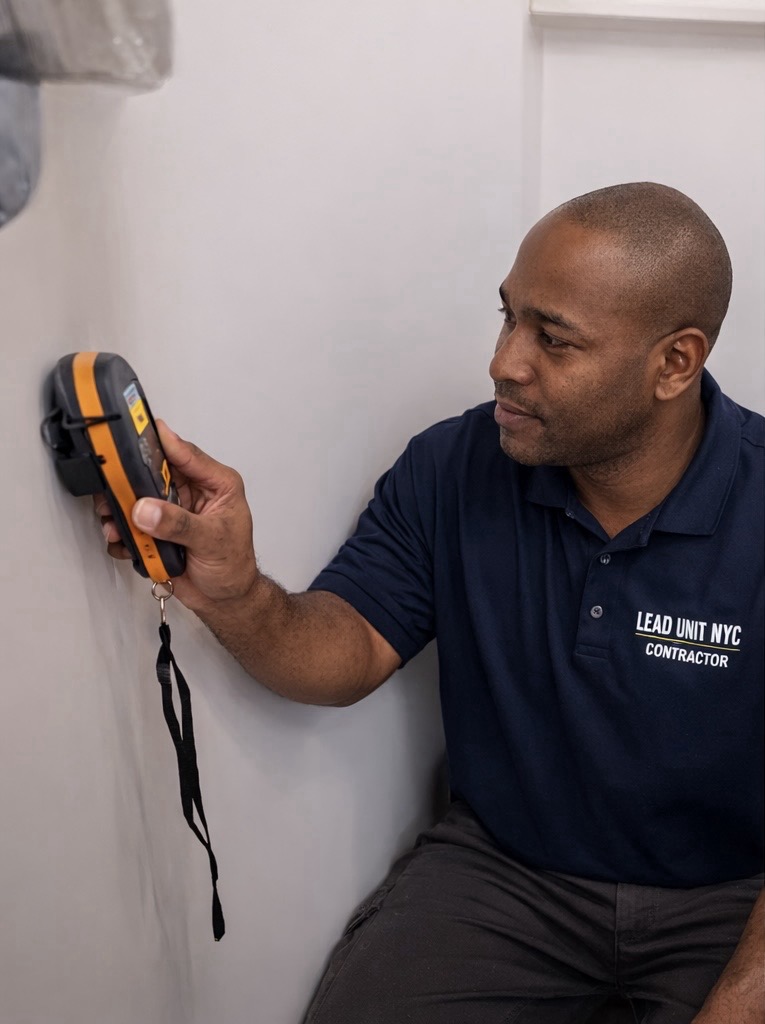
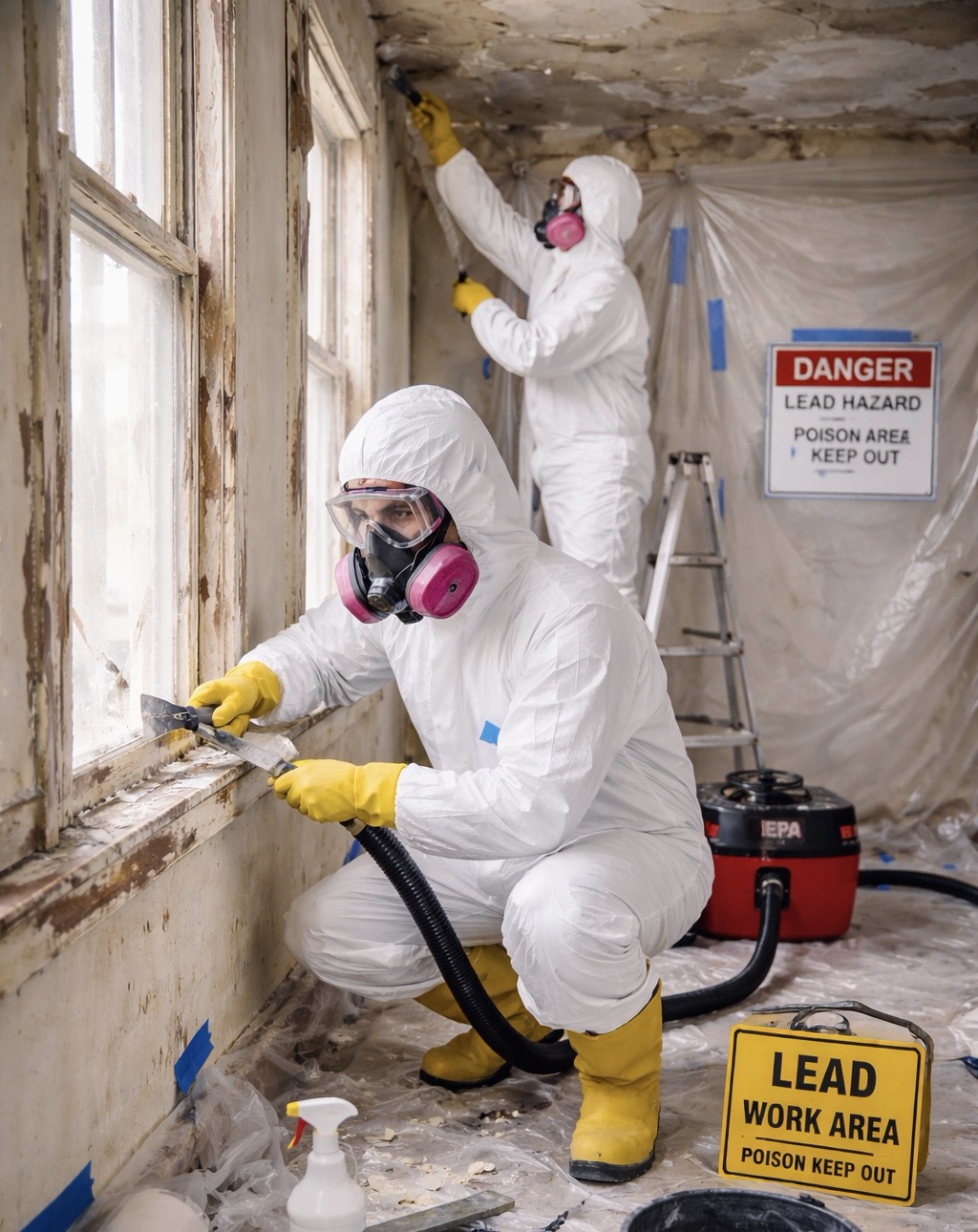
Make sure your property meets NYC Local Law 31 requirements for lead-based paint compliance. We provide professional XRF testing inspections to help you stay compliant and avoid costly penalties.As an EPA-certified contractor, we specialize in lead paint abatement and the removal of HPD and DOH violations.
We proudly serve NYC and the surrounding areas, offering fast turnaround times and dependable, competitive pricing.
Committed to superior quality and results
Why Choose
Lead Unit NYC?
Certified Environmental Services Company
We know how crucial a safe and healthy environment is for your home or business. That’s why we provide a full range of services delivered by certified professionals, ensuring thorough results and complete peace of mind.
If you’re a building owner, landlord, or property manager dealing with hazardous lead paint, Lead Unit NYC experts can help. We are an EPA Lead-Safe certified firm specializing in NYC lead inspections and lead paint abatement. Our team serves all five NYC boroughs, identifying and safely removing lead paint so you don’t have to worry about HPD or DOH violations. Our experienced professionals ensure your property is safe and compliant with city regulations.
Reliable Lead Services
Lead Unit NYC Inc. is a General Contractor and EPA certified firm in the removal of HPD and DOH (Dept. Of Health) Violations. We also assess and inspect all residential/commercial areas in search of present Lead Based Paint to prevent a city/state violation and/or to clear violations. We also offer XRF and Lead dustwipe testing.
A certified lead abatement contractor is a company that can treat or remove lead-based paint and lead based paint hazards in order to make the property lead-safe for young children and other occupants.
Mold Removal Services
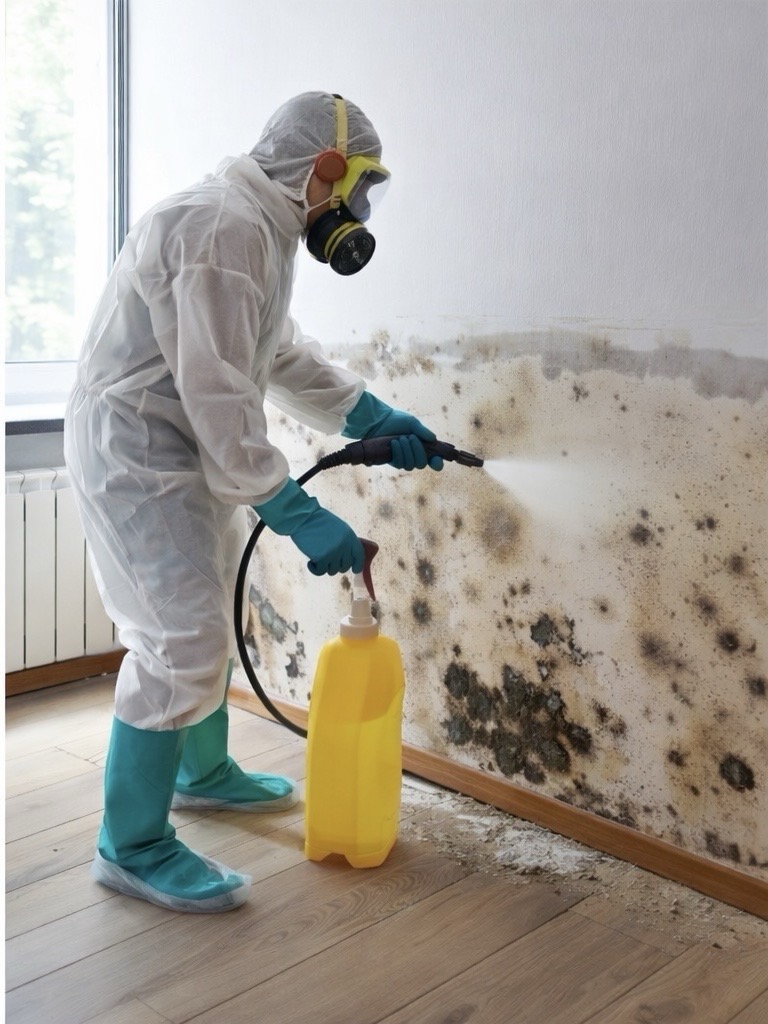
Mold is one of the most devastating and costly after effects of high humidity, plumbing leaks, roof leaks, rain activity and many other water intrusion events that can happen in a building. According to the Environmental Protection Agency, poor air quality is now one of the top five environmental threats in the United States. At Lead Unit NYC Inc., we handle all phases of indoor air quality for homeowners, property owners, property managers, facilities managers, government municipalities, builders and contractors. We are here to help protect your health, your property and your bottom line. Lead Unit NYC Inc. are in accordance with Center for Disease Control – CDC, New York City Department of Environmental Protection – NYCDEP, United States of Environmental Protection Agency –US-EPA Guidelines for Residential, School and Commercial Buildings.
Certain types of molds will produce poisonous toxins known in mold terminology as mycotoxins. Specific tolerance to mycotoxins varies from person to person. Not all molds produce mycotoxins all the time, and attempting to remove mold by spraying a mildewcide or fungicide will not remove or inactivate the mycotoxins that have already been produced. An adverse reaction can still occur from dead mold or mold spores. In fact, mold spores do not have to be alive to be dangerous to humans and animals. Dead and dormant mold can be just as toxic.
Why NYC Lead
Inspections Are Crucial:
Local Law 31
Inspecting and addressing lead paint has always been essential for New York City property owners, but Local Law 31 makes it even more critical. Enacted in August 2020, this law requires all residential buildings built before 1960—or built between 1960 and 1978 and known to contain lead paint—to undergo X-Ray Fluorescence (XRF) lead inspections by EPA-certified inspectors by August 2025.
If lead paint is found, property owners must perform lead paint abatement to maintain safe living conditions. Failing to comply can result in Class “C” hazardous violations, with fines ranging from $1,000 to $5,000 per violation. Scheduling inspections and professional abatement services now ensures compliance, safety, and peace of mind.
Why Lead and Lead-Based
Paint Are Hazardous?
Lead is a naturally occurring element that has been used in products ranging from batteries and glass to plumbing materials—and historically, in paint. Lead paint was favored because it dries faster, resists moisture, and maintains an attractive finish. However, the Consumer Product Safety Commission (CPSC) banned lead paint in 1978 after research showed it can cause serious health issues, including high blood pressure, anemia, kidney damage, reproductive problems, brain injury, and behavioral or learning difficulties in children.
Although the ban stopped its use in newer homes, millions of older buildings still contain lead paint. According to a U.S. Environmental Protection Agency study:
24% of homes built between 1960 and 1977 contain lead-based paint
69% of homes built between 1940 and 1959 contain lead-based paint
87% of homes built before 1940 contain lead-based paint
In New York City, buildings are presumed to contain lead paint if:
They were built before 1960
They were built between 1960 and 1978 and owners were informed lead paint was used
They have three or more apartments
They include units with children under six years old

Contact us today for a FREE ESTIMATE
We have the people and expertise that will ensure a successful outcome!